
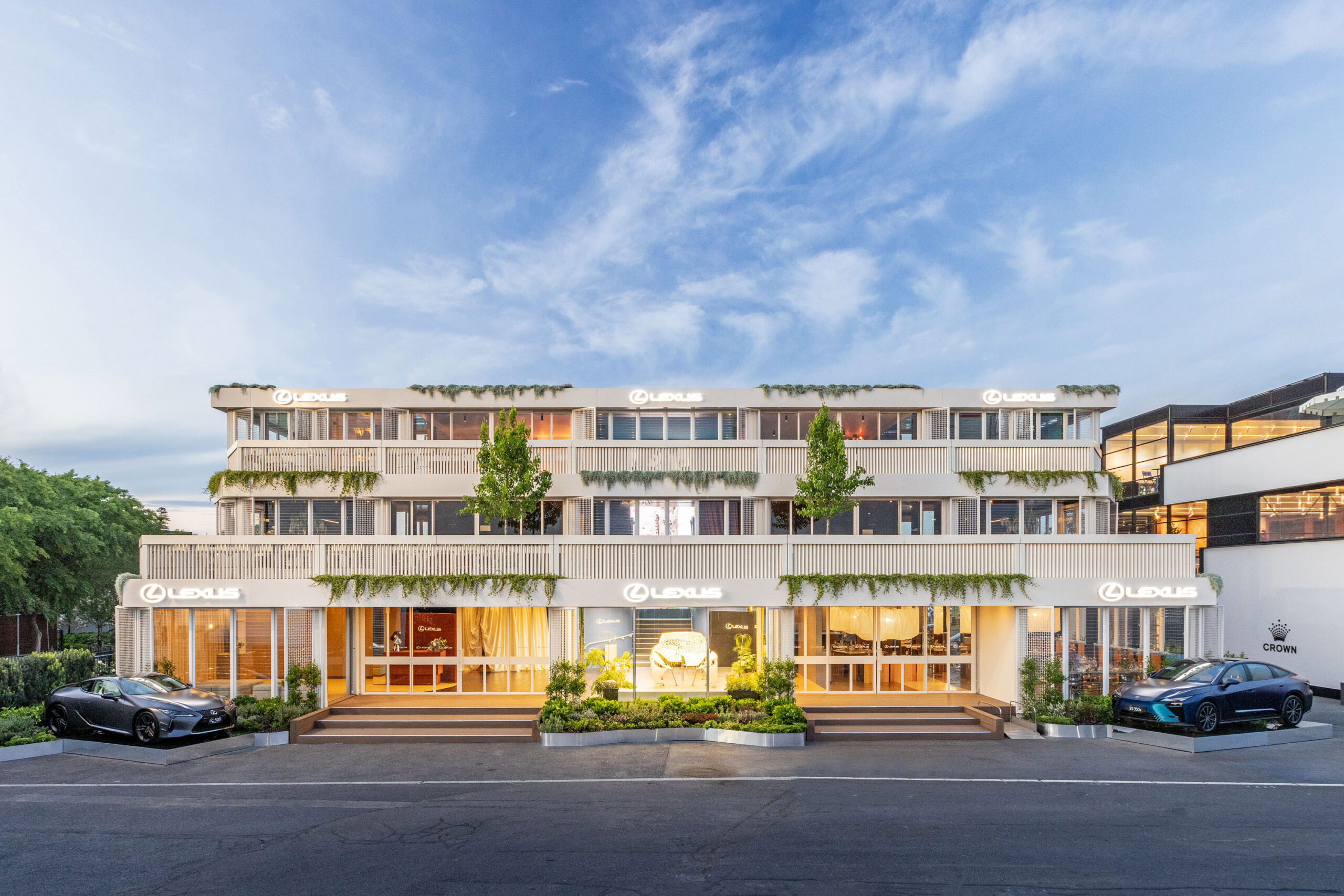
What happens to an event structure when the crowds go home? More often than not, for many traditional builds, it gets dismantled, discarded, and replaced at the next event.
Modular systems change that model. The same components are adapted and reused across venues and events. But how much of a difference can they really make?
From reducing construction waste to increasing longevity, here’s how modular building systems can help make events more sustainable.
Why Sustainability Matters for Events Now
Events can generate a significant amount of waste through temporary signage, displays, transport, and materials that are only used for a short period of time. As organisers face greater pressure to reduce waste and emissions, sustainability is becoming a practical part of event planning and performance.
At present, research reveals that only 25% of event professionals track emissions, leaving many organisations without the relevant data needed to track progress.
Reduce Waste
Reusable signage, display systems, cladding, fit out and infrastructure can help keep materials out of landfills and make waste reduction easier to track.
Track Carbon Accountability
Measuring energy, transport, materials and logistics helps organisers identify major sources of emissions and set realistic reduction targets.
Meet Stakeholder Expectations
Attendees, sponsors, procurement teams and corporate partners increasingly expect events to demonstrate practical sustainability measures and ongoing improvement.
The Waste Problem With Traditional Event Builds
Here’s how the cycle typically works: traditional event and exhibition stands are designed for a specific event, built on site, used for a few days, then dismantled and disposed of. The materials may only serve a single event before the process starts again for the next event.
That creates waste at almost every stage, from construction and fit-out to transport, dismantling and disposal. Construction and demolition waste is one of the largest contributors to landfill in many regions, making temporary event builds a significant sustainability issue.
Key Stat: Construction and demolition activities generate around one-third of the world’s total waste, according to the United Nations Environment Programme.
For event organisers, the difference is practical: a traditional structure may be designed around a single venue or campaign, whereas Spacecube’s interlocking modular building system can be flat-packed, stored, and adopted for different sites and purposes. Its reusable panels and plug-and-play components can also reduce unnecessary construction waste and associated carbon emissions.
How Modular Building Systems Solve the Waste Problem
Spacecube’s modular building system is assembled from standardised components, installed quickly, then dismantled and reused, helping reduce waste and resources associated with single-use event builds.
Reusability and Reconfigurability
Components can be flat-packed, relocated, and reconfigured for different events and layouts. 100% of our structural build components are reusable.
Off-Site Efficiency
Standardised components are prepared in controlled environments, helping reduce surplus materials and on-site waste. Research indicates that modular construction can reduce overall construction waste by around 80% in comparison to conventional construction.
Less Site Disruption
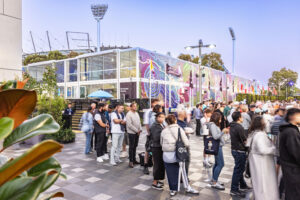
Faster installation and dismantling can reduce time on site and disruption to venues and surrounding areas. Spacecube’s structures can be installed, dismantled, and repurposed for future events, such as hospitality suites and brand activations.
Better Material Protection
Preparing and assembling components in controlled conditions can help protect them from avoidable damage, reducing the likelihood of replacement materials being needed.
Built for Repeated Use
Modular buildings provide durable options for events that need temporary or semi-permanent event facilities, with components that can be reused and reconfigured across multiple locations and projects.
For more information on how our flat-pack and prefabricated modular building systems work, explore our blogs:
Energy Efficiency and Longevity
The longer a modular structure stays in use, the more value you get from the materials and energy used to build it. Instead of creating a new structure for every event, the same components can be reused and reconfigured across different sites and events, reducing the need for single-use construction.
Modular buildings can also incorporate energy-efficient systems and renewable energy. Spacecube’s SOLAR range, for example, powered its Kathmandu activation in Sydney off-grid using solar energy for lighting, point-of-sale equipment and tills.
Together, reusable and energy-efficient systems can help events reduce their environmental impact over time.
Proven at Global Events
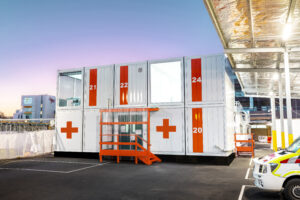
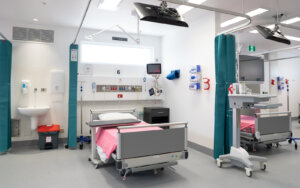
Our modular structures have been redeployed across very different environments around the world, from trackside hospitality at the Formula 1 United States, British, Spanish, and Australian Grand Prix to urgent Covid-19 medical facilities.
This demonstrates how the same reusable build system can be reconfigured for hospitality, broadcasting, brand activations, and healthcare environments, rather than being limited to a singular event or purpose.
Australian events
- Australian Open
- Formula 1 Australian Grand Prix
- Melbourne Cup Carnival
- Lexus – Melbourne Cup Carnival
- AFL Gather Round
- Vivid Sydney
- HOKA FlyLab
- NRL Finals Fan Fest
International events
Curious about what else we’ve worked on? Explore our project portfolio for more examples.
Get a Quote for Your Next Modular Structure
Ready to reduce waste and create an event space that can be reused across future projects? Get in touch with our team today to explore the modular building solutions available for your next event.